Privacy Invasion by a Current or Former Partner

Surveillance, tracking, account access, and threats to disclose private information during or after separation are now actionable under Australian law.

Book a Confidential Assessment ($770)

Max file size: 20MB

A Civil Remedy for Serious Privacy Invasions in Relationships

Since 10 June 2025, individuals in Australia have a statutory right to bring civil claims for serious invasion of privacy under Schedule 2 of the Privacy Act 1988 (Cth). The statutory tort for serious invasion of privacy covers both intrusion upon seclusion and misuse of personal information. It does not require proof of financial loss, and truth is not a defence.

Relationship breakdowns are among the most common settings for serious privacy invasions. A former partner who installs tracking software on your phone, accesses your email or banking accounts without consent, monitors your movements through shared devices, or threatens to publish intimate images is engaging in conduct that may give rise to a claim under the new law. So too is a partner who discloses your private health, financial, or personal information to third parties during a separation or family law dispute.

These invasions were, until recently, difficult to address through the courts. State surveillance legislation is patchy and creates criminal offences rather than civil remedies. The OAIC complaint pathway does not cover conduct by individuals. The statutory tort fills that gap. If you have experienced this kind of conduct, time limits apply. You may have as little as 12 months from the date you became aware of the invasion to commence proceedings.

Common Privacy Invasions by Current or Former Partners

The statutory tort covers a broad range of conduct. These are the categories we see most frequently in the context of relationship disputes and separation.

Surveillance and tracking privacy invasion

Surveillance, Tracking, and Location Monitoring

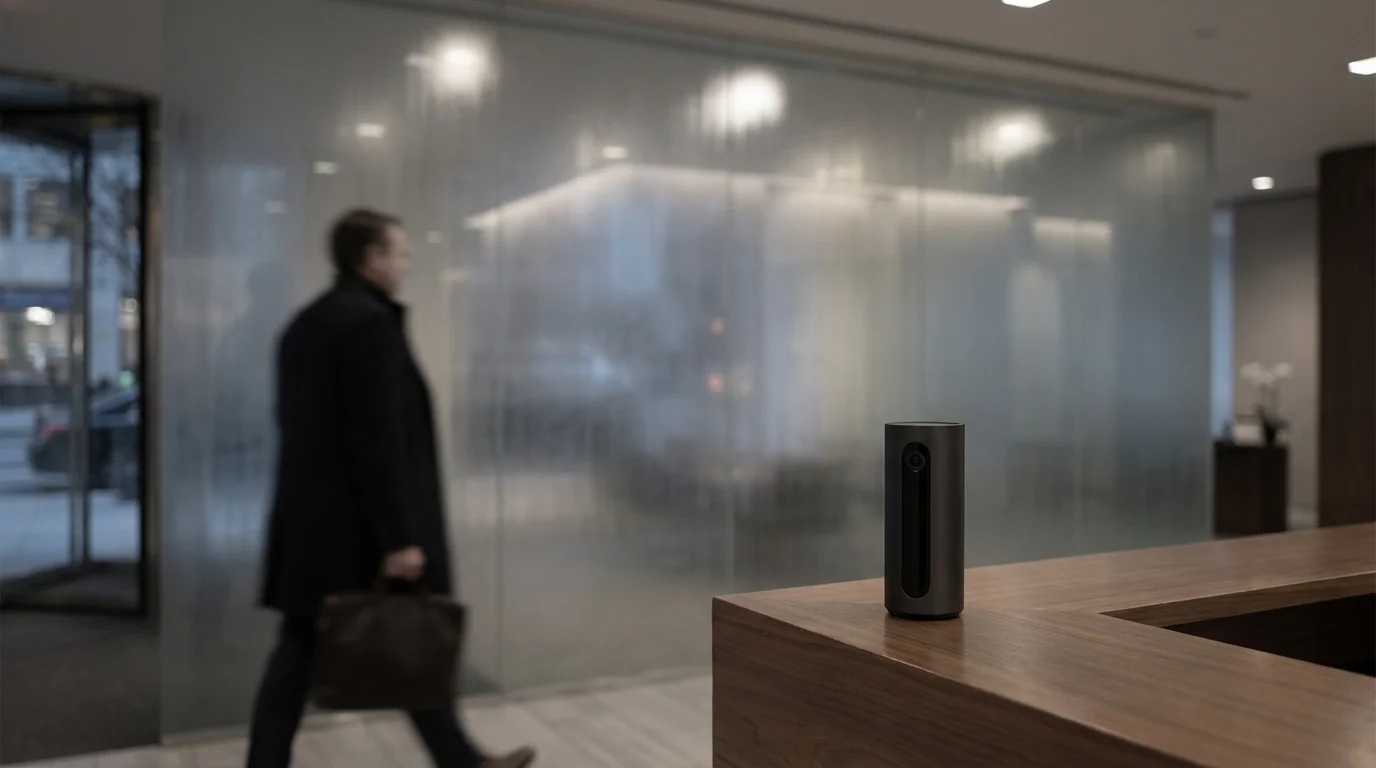
<p>Installing spyware or stalkerware on a phone. Tracking a former partner's location through shared device accounts, AirTags, or GPS devices placed in vehicles. Using security cameras at a former shared residence to monitor movements after separation. Accessing doorbell camera footage to track visitors or departure times.</p><p>This conduct falls within the intrusion upon seclusion pathway of the statutory tort. It does not need to involve a recording. The act of surveillance itself, if intentional or reckless and sufficiently serious, is actionable. Where ongoing surveillance is occurring, an <a href="/urgent-privacy-injunctions">urgent privacy injunction</a> may be sought to restrain the conduct before trial.</p>

Unauthorised account access and digital privacy

Unauthorised Access to Accounts, Devices, and Records

<p>Logging into a former partner's email, social media, banking, or cloud storage accounts without consent. Reading private messages. Downloading photographs, documents, or financial records. Accessing shared accounts after being asked to stop, or using saved passwords to enter accounts that are no longer shared.</p><p>This conduct may constitute intrusion upon seclusion, misuse of personal information, or both. The fact that a person once had legitimate access to an account does not mean they retain the right to access it after a relationship ends. Consent can be withdrawn, and continued access after withdrawal may be both intentional and reckless. For more detail on this category, see our page on <a href="/ex-partner-accessing-my-accounts">ex-partner account access</a>.</p>

Private information disclosure and threats

Threats to Disclose or Actual Disclosure of Private Information

<p>Threatening to share intimate images with family, friends, or online. Disclosing private health information (including mental health treatment) to mutual contacts. Publishing financial details, legal correspondence, or personal communications. Sending private photographs to a new partner, employer, or family members as a form of retaliation.</p><p>This falls within the misuse of personal information pathway. The tort does not require that the information be false. Truth is irrelevant. What matters is whether the information was private, whether the plaintiff had a reasonable expectation of privacy, and whether the disclosure was serious, intentional or reckless. Where private information has also damaged reputation, a concurrent <a href="https://defamationlawyer.au">defamation claim</a> may arise. For intimate images specifically, see our <a href="/intimate-images-and-doxxing">intimate images page</a>.</p>

The clock is ticking. You may have as little as 12 months to act.

A confidential initial assessment is the first step. Fixed fee: $770. All enquiries are treated with strict confidence.

Why the Statutory Tort Matters in Relationship Disputes

The new law addresses gaps that left individuals without an effective civil remedy for privacy invasions by partners and former partners.

No Proof of Damage Required

The statutory tort is actionable without proof of financial loss. The invasion itself is the wrong. Emotional distress, fear, and loss of dignity are recognised in the assessment of damages, but they are not prerequisites to bringing a claim.

Truth Is Not a Defence

Unlike defamation, it does not matter whether information disclosed by a former partner was true. Publishing someone's genuine medical records or real financial position without consent is actionable. The content's accuracy is irrelevant.

Individuals Can Be Sued

The OAIC complaint pathway only covers APP entities (organisations with turnover above $3 million, health service providers, and certain other bodies). The statutory tort applies to any person. A former partner is a proper defendant regardless of whether they are a business.

Urgent Injunctions Available

Where a privacy invasion is ongoing or imminent, the court may grant an injunction to restrain the conduct. This is critical where a former partner is threatening to publish intimate images or continues to access accounts. Applications can be made urgently, including outside ordinary court hours.

Compensatory and Exemplary Damages

Non-economic loss damages are capped at approximately $500,000. In cases of deliberate, vindictive conduct, exemplary damages may also be awarded. The court considers the nature of the invasion, the defendant's conduct, and any apology (or refusal to apologise).

Separate from Family Court Proceedings

A privacy tort claim is brought in the Federal Court or a state or territory court. It is a standalone civil proceeding, separate from any family law proceedings. The two can run concurrently. One does not prevent or delay the other.

How Privacy Tort Claims Interact with Family Law Proceedings

Privacy Invasions Used Tactically in Family Disputes

Privacy invasions during separation are often tactical. A former partner may access accounts to gather evidence for family law proceedings, monitor movements to build a case about parenting arrangements, or threaten to release private information as a bargaining tool in property negotiations. The statutory tort does not contain an exception for conduct motivated by family law litigation. Accessing a former partner's private accounts, email, or devices without consent is not rendered lawful because the person intends to use the material in court.

Australian family law proceedings operate under the principle that parties must provide full and frank disclosure of financial information. This obligation does not authorise one party to hack into the other's accounts to obtain that information. Where improperly obtained material is tendered in family law proceedings, the Family Court retains a discretion to exclude it. A separate privacy tort claim may be brought for the act of obtaining it.

Apprehended Violence Orders and the Privacy Tort

Privacy invasions by former partners frequently overlap with conduct that constitutes stalking, intimidation, or harassment under state legislation. An apprehended violence order (AVO) or family violence intervention order (FVIO) may address ongoing surveillance or threats. However, these orders are protective, not compensatory. They do not result in an award of damages. The statutory tort provides the avenue for compensation. Where an AVO or FVIO is already in place and the respondent continues to engage in surveillance or disclosure, this may strengthen a claim that the invasion was intentional or reckless, and may support an application for exemplary damages.

Remedies Available

The remedies available under the statutory tort include damages (both compensatory and, in appropriate cases, exemplary), injunctions, orders requiring the defendant to account for any benefit derived from the invasion, and orders for the delivery up or destruction of material obtained through the invasion. In the context of relationship disputes, an order for destruction of improperly obtained material can be particularly significant. This may include intimate images, financial records, private correspondence, or copies of communications downloaded without consent.

The Seriousness Threshold

Not every privacy incursion during a separation will meet the statutory threshold. The tort requires the invasion to be serious, having regard to matters including the nature of the private information or seclusion, the circumstances of the invasion, the degree of offence or distress likely to be caused, and whether the plaintiff suffered damage. A single instance of reading a text message on an unlocked phone may not satisfy this threshold. A sustained campaign of surveillance, repeated account access, or a credible threat to publish intimate images is more likely to do so. The court will weigh the plaintiff's privacy interest against any countervailing factors, including the defendant's purpose and whether the conduct served a legitimate interest.

Limitation Period

Claims must be commenced within one year of the date the plaintiff became aware (or ought reasonably to have become aware) of the invasion, or three years from the date of the invasion, whichever is earlier. Extensions may be granted in limited circumstances, up to a maximum of six years. In relationship disputes, the invasion is often discovered well after it occurred, particularly where spyware or covert tracking is involved. It is important to seek legal advice promptly once you become aware of potential conduct. For full details on time limits, see our time limits page.

Disclaimer: The information on this page is general in nature and does not constitute legal advice. The application of the statutory tort for serious invasion of privacy depends on the specific facts of each matter. There is no Australian case law on the statutory tort as at the date of this publication. We recommend obtaining a confidential initial assessment before taking any steps.

Frequently Asked Questions

Yes. A claim under the statutory tort for serious invasion of privacy is a standalone civil proceeding. It is brought in the Federal Court or a state or territory court, not in the Family Court. It does not interfere with, and is not stayed by, concurrent family law proceedings. The two matters proceed independently. However, any settlement negotiations should be considered in the context of both proceedings to avoid inconsistent outcomes.

Not under the statutory tort. There is no defence of "gathering evidence for litigation." The available defences include lawful authority, consent, necessity (limited to serious threats to life, health, or safety), and defence of persons or property. A party's obligation to provide financial disclosure in family law proceedings does not authorise self-help measures such as hacking into the other party's accounts. If improperly obtained material is then tendered in court, the Family Court may exercise its discretion to exclude it.

Both may be actionable, depending on the circumstances. The statutory tort covers misuse of personal information, which includes disclosure of intimate images without consent. A credible, serious threat to disclose such images may support an application for an urgent injunction to prevent publication, even before actual disclosure occurs. Intimate image abuse is also addressed by Commonwealth criminal legislation (the Online Safety Act 2021 and Criminal Code provisions), but those are separate regimes. The statutory tort provides a civil remedy, including damages. See our intimate images and doxxing page for further detail.

Yes. An apprehended violence order or family violence intervention order is a protective order. It may restrain future conduct but does not compensate you for invasions that have already occurred. A privacy tort claim is a civil proceeding for damages and other remedies. The existence of an AVO does not prevent or replace a tort claim. If the respondent has breached the AVO by engaging in further surveillance or disclosure, this conduct may itself constitute an additional invasion and may be relevant to the seriousness of the claim.

The limitation period runs from the earlier of one year after you became aware (or ought reasonably to have become aware) of the invasion, or three years from the date of the invasion. If spyware was installed 18 months ago but you discovered it last week, the one-year clock starts from your discovery. However, if the software has been continuously operating, there may be an argument that the invasion is ongoing. Time limits are strict and case-specific. We recommend obtaining advice promptly. See our time limits page.

It depends on the circumstances. An account that is genuinely shared (both parties have agreed access and use it jointly) may not give rise to a reasonable expectation of privacy. However, consent can be withdrawn. If one party has changed the password, asked the other to stop accessing the account, or the account has become solely used by one party after separation, continued access by the other party may constitute an invasion. The question is whether the plaintiff had a reasonable expectation of privacy in the circumstances and whether the intrusion was serious.

Document the conduct. Take screenshots, preserve messages, note dates and times. Do not delete evidence. If you suspect spyware or tracking software on your device, have it forensically examined before wiping it. If intimate images are being threatened or published, consider seeking an urgent injunction and report the matter under the Online Safety Act through the eSafety Commissioner. Consult a privacy lawyer as soon as practicable, because limitation periods are short.

We offer a fixed fee confidential initial assessment at $770 (including GST). This assessment covers a review of the facts, advice on whether the conduct is likely to meet the statutory threshold, and a recommended course of action. Pre-action demand letters are available at a fixed fee of $990 (including GST). If the matter proceeds to court, costs depend on the complexity of the claim. We provide transparent cost estimates at the assessment stage. See our compensation and damages page for information on the quantum of damages available.

Confidential Enquiries. Prompt Advice. Fixed Fee Entry.

If you are dealing with surveillance, account access, or threats by a current or former partner, contact us for a confidential initial assessment. We act for clients across Australia.

Call